
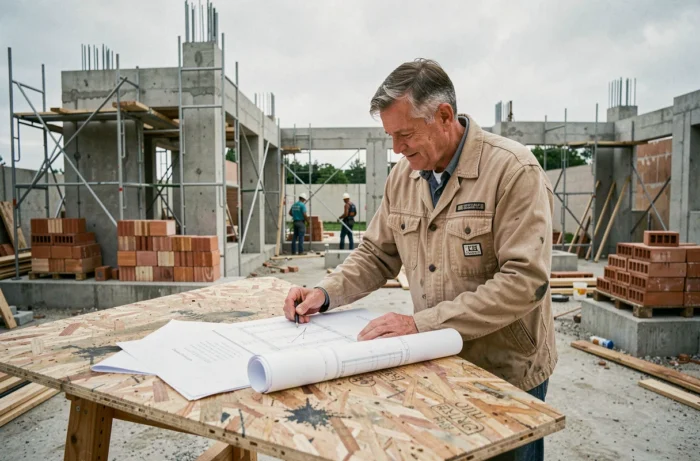
5 Essential Tips to Secure Your Work and Avoid Unpleasant Surprises
A renovation project that goes awry is rarely just one problem. It’s an accumulation of uncertainties: incomplete estimates, uninsured contractors, and oral schedules that are never respected. Securing your work starts well before the first swing of the hammer, right from the administrative and contractual preparation phase.
The five following tips target the most common friction points between homeowners and building professionals. Each corresponds to a concrete, verifiable action that reduces the risk of unpleasant financial or technical surprises.
1. Require a detailed estimate item by item before any signature

An estimate that fits on ten lines for a complete renovation is a warning sign. Each lot (demolition, electricity, plumbing, insulation, finishes) must appear separately with the unit price, quantity, and total cost.
Why this granularity? Because a global estimate hides the margins for maneuver. If the insulation changes from fiberglass to rock wool during the project, you can only contest the additional cost if the initial material was clearly stated. A vague estimate prevents any negotiation in case of a dispute.
Also, ask that the execution deadlines and payment conditions be included in the document. A written schedule commits the contractor. An oral schedule is worthless in court. To better understand this approach, you can secure your work with Maison Créa by comparing several quoted proposals before committing.
2. Verify the ten-year insurance certificate of each contractor
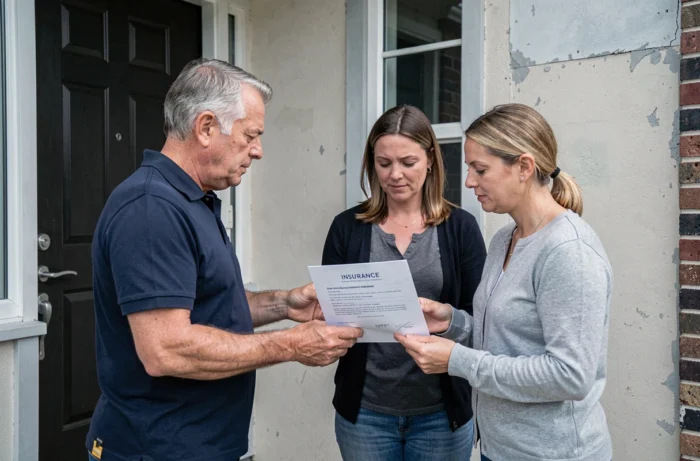
The ten-year insurance covers damages that compromise the solidity of the work or make it unsuitable for its intended use for ten years after acceptance. A contractor can be competent and not be covered: the guarantee renews every year, and some professionals let their contract expire.
Request the certificate dated for the current year, not the previous year. Check that the declared activities correspond to the planned work. A drywall installer insured for the installation of drywall is not necessarily covered for external thermal insulation.
This reflex takes five minutes. It can save you from bearing the cost of a structural defect discovered three years after the end of the project.
3. Allow a budget margin for technical unforeseen events

Have you ever noticed that a project almost always costs more than expected? It’s not a coincidence. Opening a wall can reveal lead pipes, a floor can hide sagging joists, and a roof can conceal an invisible waterproofing defect from the outside.
Reserve at least an additional envelope compared to the initial budget. Experienced professionals recommend not committing your entire budget to signed estimates. This reserve is not meant to finance changes in taste along the way, but to absorb structural surprises that no one could anticipate before opening.
Without this margin, the slightest unforeseen event puts you in a harsh choice: stop the project or go into debt urgently, often under unfavorable conditions.
4. Formalize a project schedule with payment milestones
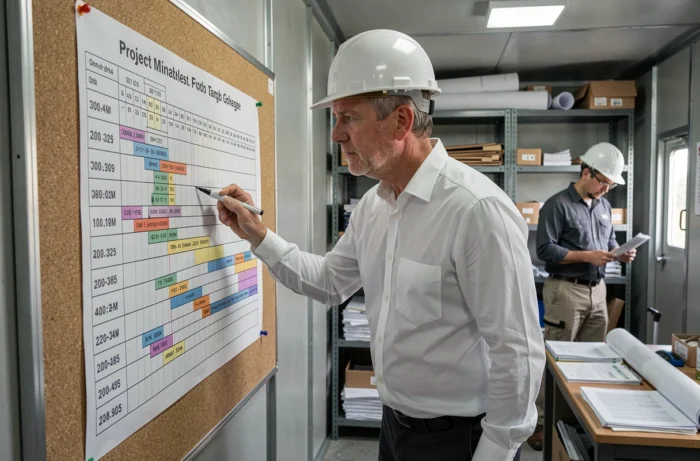
Paying the total amount before the work starts removes your main leverage of pressure. Conversely, a contractor who supplies all materials without a deposit takes a risk that he will pass on to his price.
A balanced payment schedule relies on verifiable milestones:
- A deposit upon signing, limited to a reasonable fraction of the total amount, covering the procurement of materials
- One or two interim payments conditioned on the visible reception of specific stages (structural work completed, networks installed, finishes started)
- A balance paid after acceptance of the work and verification of compliance with the estimate
Only pay the balance after a thorough visual inspection. Test the electrical outlets, open and close each joinery, check the drainage of each water point. Note any reservations in writing on the acceptance report.
5. Secure the site against theft and damage
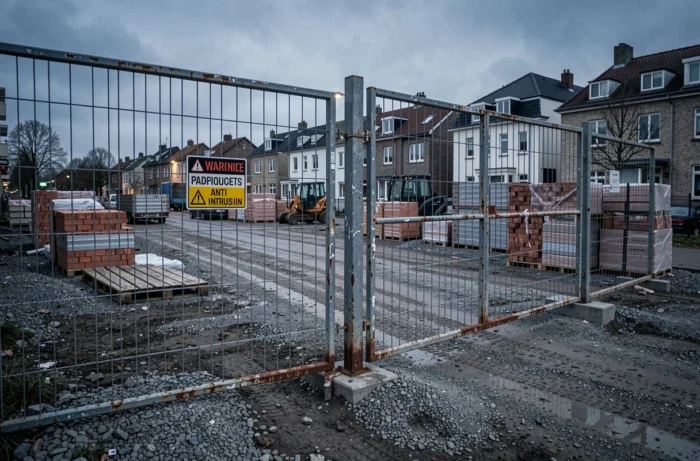
Theft on construction sites represents a considerable cost for the construction sector each year. According to France Assureurs and Argos, thefts of construction equipment significantly increased in 2025, with a very low recovery rate: less than one in five stolen machines is recovered.
For a homeowner renovating, the risk mainly concerns stored materials (joinery, radiators, sanitary fixtures) and the contractor’s tools. If these items disappear, the project stops, and deadlines explode.
Some concrete measures reduce this risk:
- Physically close the site every evening (padlocks, fences, secured shutters)
- Do not store expensive materials on-site longer than necessary, coordinating deliveries with the installation schedule
- Check that the home multi-risk insurance or the construction insurance covers the theft of stored materials
The labor inspectorate can order the immediate halt of a site in case of serious danger, with fines of up to 10,000 euros per affected employee if safety obligations are not met. This reality mainly concerns sites with employed workers, but it reminds us that securing is not optional.
Most renovation disputes do not arise from dishonest contractors but from a contractual framework that is too vague. A precise estimate, verified insurance, a realistic budget, conditional payments, and a physically protected site form a foundation that limits almost all common unpleasant surprises.