Discover the best leisure ideas to entertain yourself daily
The daily leisure activities of the French are no longer just a random list of activities. The National Barometer of Sports Practices 2025 from INJEP reveals that 61% of those aged 15 and over practice a sport at least once a week, which is a 7-point increase compared to 2018. This data changes the way free time is approached: regular, accessible, and low-cost activities now dominate the landscape.
Autonomous sports leisure: the disciplines that are progressing the most
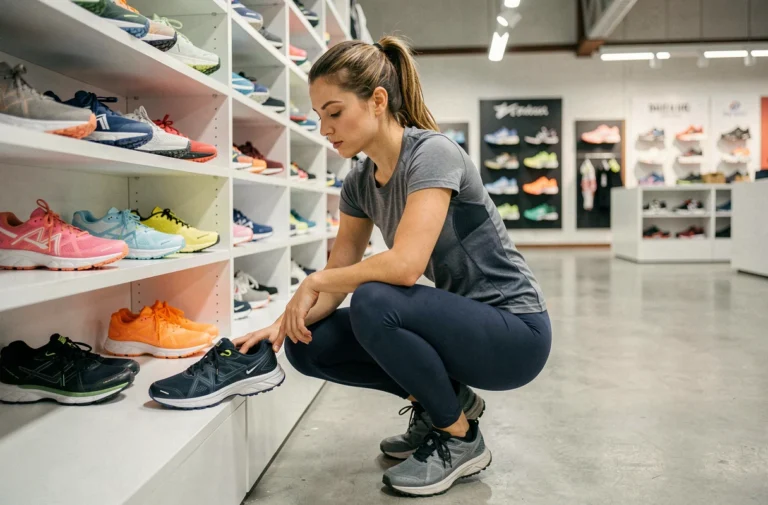
Walking, hiking, and running top the list of regular sports practices in France, ahead of fitness activities, cycling, and water sports. This ranking reflects a clear preference for disciplines that can be practiced without club membership and without expensive equipment.
Trail running illustrates this dynamic. Analysis of the French market shows continuous growth in this practice, driven by runners looking to combine physical effort with outdoor immersion, often during short time slots (lunch breaks, early mornings).
To explore other accessible daily activities, leisure activities on HyperScoop gather ideas categorized from sports to creative workshops.
| Type of sports leisure | Typical frequency | Entry cost | Place of practice |
|---|---|---|---|
| Walking / hiking | Several times a week | Low (appropriate shoes) | Outdoor, urban trails or nature |
| Running / trail | 2 to 3 times a week | Low to moderate | Outdoor, parks, paths |
| Fitness activities (yoga, fitness) | 2 to 4 times a week | Free to moderate (online videos or gym) | Home or gym |
| Cycling | Variable (commutes or outings) | Moderate (purchase or rental) | Outdoor |
| Water sports (swimming, aquagym) | 1 to 2 times a week | Moderate (pool entry) | Pool or body of water |
The common point of these disciplines: none require a partner to be practiced. The autonomy of practice partly explains the 2-point increase between 2023 and 2025 measured by INJEP.
Home leisure: why cocooning structures daily life
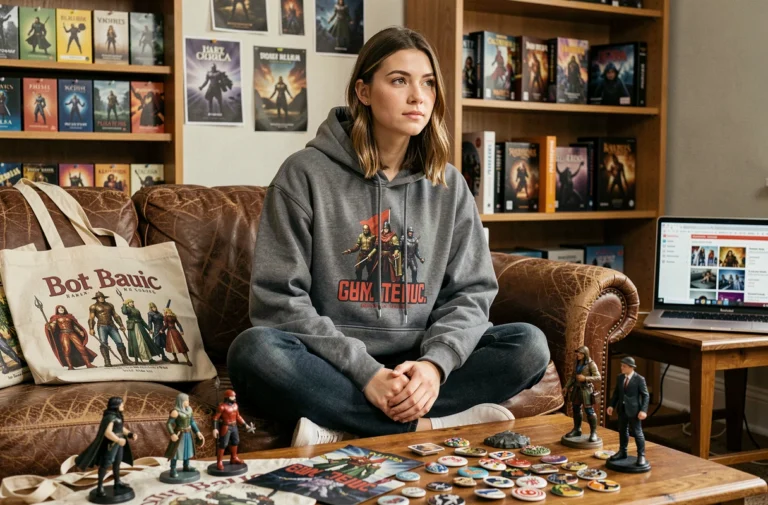
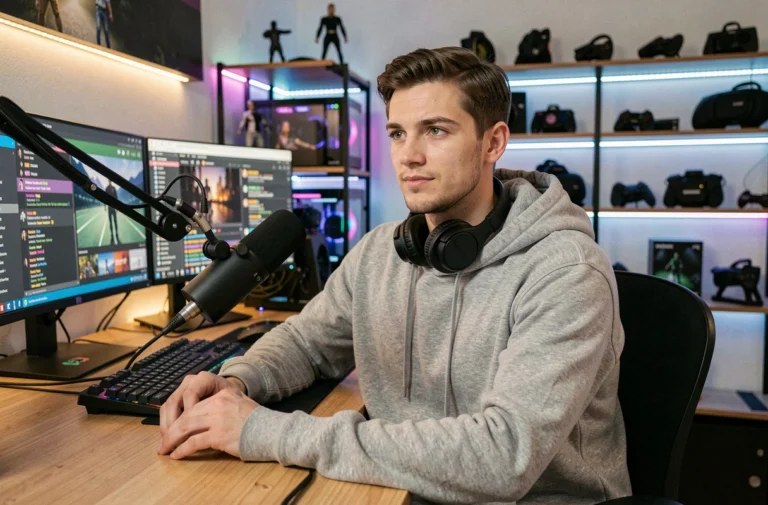
The home has become the center of gravity for daily leisure in France. Streaming, video games, cooking, creative activities, home sports: these practices are no longer fallback solutions but conscious choices. Recent analyses describe this trend as structural, rather than cyclical.
Music streaming confirms this shift. 88% of the French population reports listening to music regularly, according to Statista data referenced in sector analyses. Streaming platforms have transformed music listening into a background leisure activity, practiced during cooking, home sports, or remote work.
Creative and manual activities at home
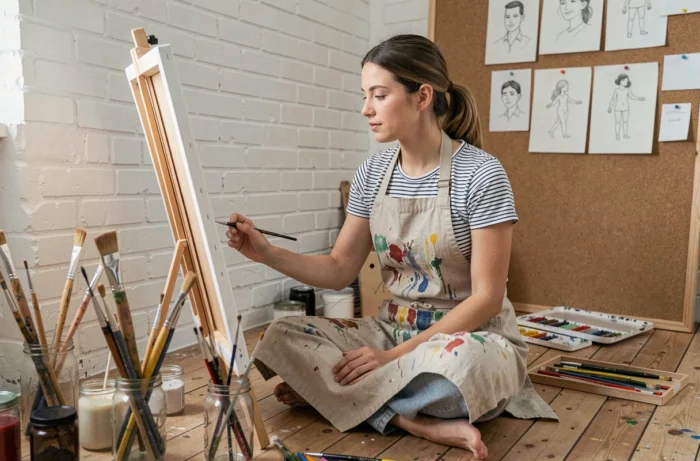
Creative workshops (pottery, crochet, drawing, sewing) are experiencing a measurable resurgence of interest, evidenced by the growth in sales of creative kits online. These activities share a common trait with autonomous sports: they adapt to short time slots and do not depend on a dedicated location.
Creative cooking holds a special place. Trying out new recipes remains one of the most cited domestic leisure activities, with a shift towards more technical practices (fermentation, advanced baking) that extend the time commitment per session.
Cultural and social leisure: generational gaps
Visiting museums, reading, and outings with friends appear in all rankings of the French’s favorite activities. However, the ways of practicing these activities vary greatly by age.
- Virtual museum visits have become part of cultural habits, with several major institutions maintaining their online offerings well after the confinement period
- Reading is now shared between paper format and e-reader, with an increase in audiobooks changing the relationship with text
- Escape games and group immersion games particularly attract 18-35 year-olds, who find them an alternative to classic outings (cinema, restaurant)
- Collective workshops (cooking classes, tastings, creative workshops) attract a broader audience, often motivated by the social aspect as much as by learning
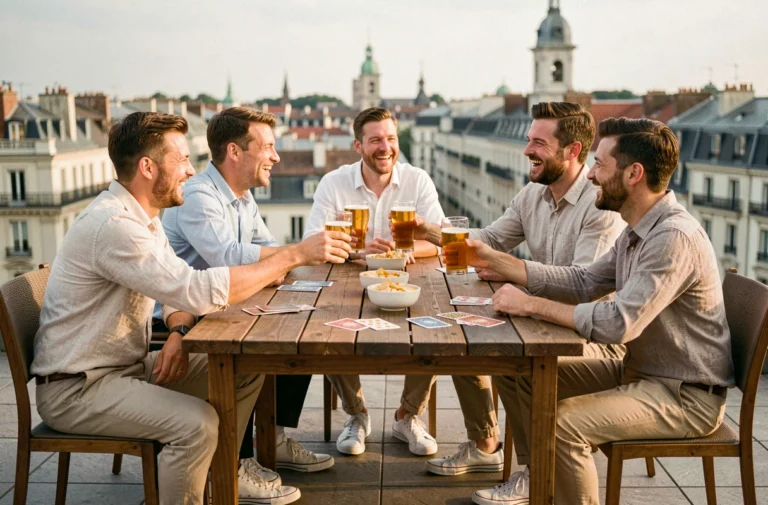
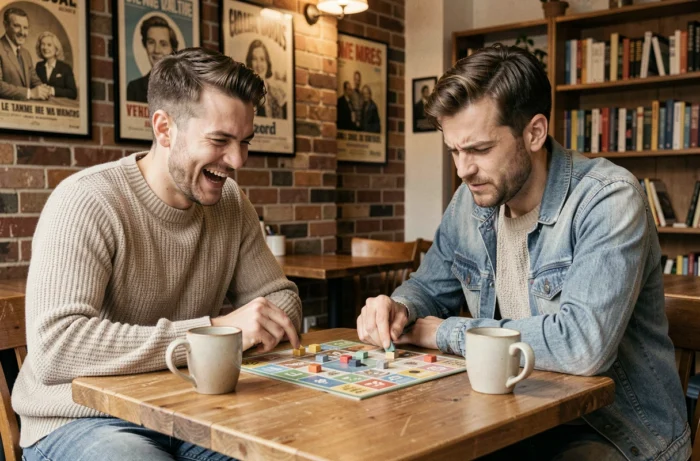
Board games and karaoke at home illustrate a parallel phenomenon: social leisure is moving into the private sphere. Organizing a game night with friends is gradually replacing going out to a bar for an increasing portion of the population.
Leisure budget: balancing between free and paid experiences
One of the most discriminating criteria in choosing a daily leisure activity remains cost. Walking, running, meditation, or reading in a library costs nothing. In contrast, a gym membership, an escape game, or a trip to an amusement park represents a significant recurring or one-time budget.
The French amusement park market illustrates this tension. Disneyland Paris, Parc Astérix, Puy du Fou, and soon a Dragon Ball park: France is approaching a saturation point in leisure parks, according to an analysis by 20 Minutes. This densification of paid offerings has not diminished the appeal of free or low-cost leisure activities, which remain the most practiced daily.
Ultimately, the choice of a regular leisure activity depends on three variables: available time, acceptable budget, and the possibility of practicing alone or with others. INJEP data shows that the French overwhelmingly favor activities that check all three boxes, meaning those that can be fit into thirty minutes, without reservation and without expense. The continuous growth of autonomous sports and home leisure confirms that this trend is not a passing fad but a lasting change in the distribution of free time.