
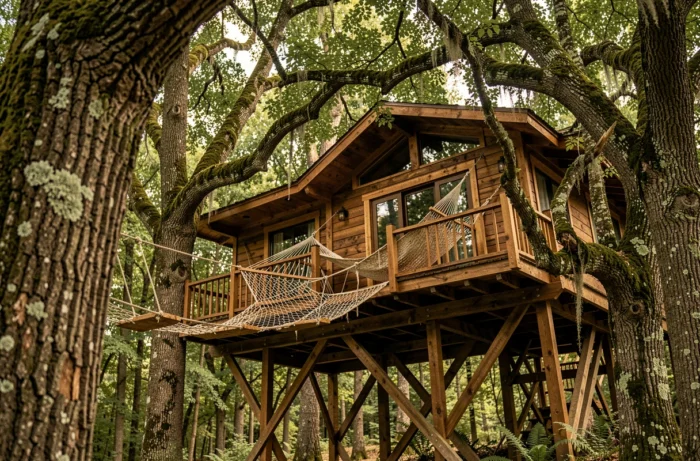
Discover a selection of unique accommodations for your travels around the world
A unique accommodation refers to a place of stay whose shape, location, or concept deviates from traditional hotel standards. Treehouse, restored riad, lodge in a nature reserve, Mongolian yurt, or cave house: the common thread is a night experience that is inseparable from the territory that hosts it. Choosing this type of lodging changes the way one travels, sometimes as much as the destination itself.
Unusual accommodations: a market in full professionalization
There is no shortage of lists of spectacular addresses, but they often overlook a recent transformation in the sector. In recent years, unusual accommodations have been aligning more closely with the codes of high-end hospitality. Private spa, sauna, on-site massages, premium bedding: the offering is no longer limited to rustic lodging in the woods.
This upgrade comes with figures that reflect a structural market. The average occupancy rate hovers around 56%, with peaks between 70% and 90% during high season. The phenomenon therefore far exceeds mere seasonal curiosity.
For travelers looking to explore this diversity internationally, the accommodations offered by Panorama du Monde cover several continents and types of stays, from lodges in Southern Africa to Japanese ryokans.
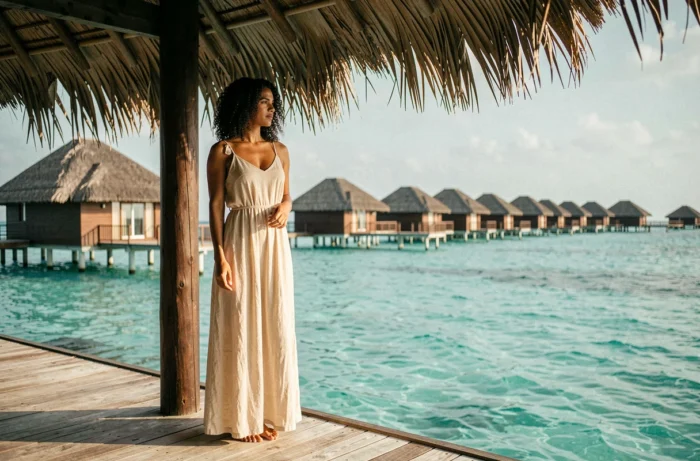
Regulation of short-term rentals in Europe: what is changing
Choosing an atypical accommodation involves paying attention to its legal framework, especially when it is offered through an online booking platform. The European Union is working to regulate short-term rentals to combat the housing shortage in major tourist cities.
In France, the Le Meur law adopted in 2024 has already introduced new obligations for landlords. Municipalities can now more easily restrict the number of rental days allowed and impose mandatory registration for tourist accommodations.
At the European level, a regulatory project aims to require platforms like Airbnb to systematically share data with local authorities. The goal is twofold: to allow cities to enforce their rules and to ensure fair competition with traditional hospitality.
Concrete consequences for travelers
- Some atypical addresses in city centers (themed apartments, artist lofts) may see their availability reduced in the most pressured metropolitan areas.
- Accommodations located in rural or suburban areas (cabins, yurts, tiny houses) remain largely unaffected by these restrictions, as they do not contribute to the pressure on the urban rental market.
- Checking the registration number displayed on the listing becomes a useful reflex to ensure that the accommodation is compliant.
This regulatory evolution also pushes owners of unusual accommodations to become more structured, which enhances service quality.
Selection criteria for unique accommodation while traveling
In the face of the proliferation of offers, a few criteria help distinguish a true experience from mere marketing hype. Territorial anchoring is the first quality indicator: a lodge built with local materials by local artisans does not provide the same immersion as a transparent bubble placed anywhere.
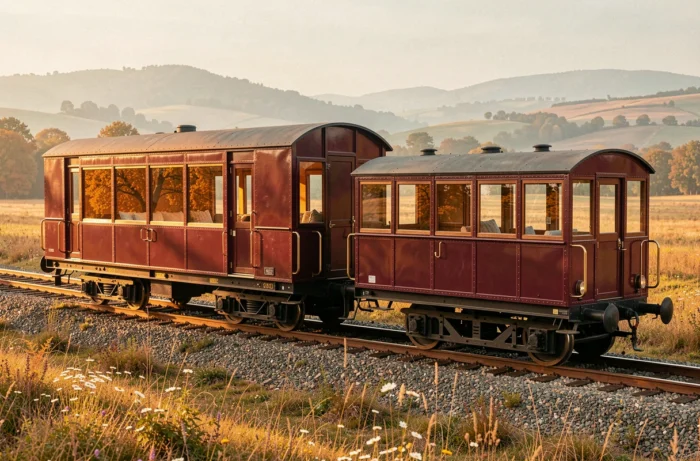
Materials and landscape integration
An accommodation that uses volcanic stone in Iceland, bamboo in Sri Lanka, or rammed earth in Morocco tells something about the territory. This link between construction and geography transforms the night into an extension of the journey, not a disconnected parenthesis.
Level of service and transparency
The professionalization of the sector has created a clear gap between structures managed in an artisanal way and those that offer a real specification. Before booking, three elements deserve attention:
- The presence of recent and detailed reviews, not just an overall rating.
- The clarity of practical information (access, sanitary facilities, cancellation policy).
- The explicit mention of included services (breakfast, transfers, activities) to avoid unexpected extras.
Three types of accommodations to favor according to the destination
Not all atypical accommodations are equal depending on where you are in the world. The choice benefits from adapting to the geographical and cultural context.
Cultural immersion stay
Staying with locals in Peru, in a family riad in Morocco, or in a traditional house in Japan places the traveler at the heart of a way of life. The accommodation then becomes the main vector of discovery, sometimes more than the visits themselves. This format is suitable for destinations where domestic culture (cuisine, crafts, daily rituals) is the main attraction.
Nature and wide open spaces accommodation
Camping in the desert of Oman, a lodge in a South African reserve, or a cabin in a Scandinavian forest follows a different logic. Isolation and the natural setting are the product. Quality is measured by the accommodation’s ability to reduce the distance between the traveler and the environment without sacrificing important comfort.
Architectural or heritage accommodation
Castles converted in India, livable lighthouses in Northern Europe, ancient cave dwellings in Cappadocia: these addresses attract with their heritage dimension. The building itself justifies the detour, regardless of the destination.
The market for unique accommodations has surpassed the niche stage. Between the upgrade of structures, tightening regulations in Europe, and diversification of formats, travelers now have a wide range of options, provided they check what lies behind the cover image. A lodging that tells a place, built with its materials and managed with rigor, remains the best selection filter.